National Emergency Medicine Association

We've just restocked our program videos. If you already asked to be added to our list for a copy and haven't heard back yet, follow up with us soon — supplies won't last.

Our video library includes many great guides you can use. We also offer a compact Emergency Information Card designed to carry key details — an emergency contact, notable medical conditions, and known allergies — so first responders have what they need even if you're unable to speak for yourself in a crisis.

Helpful Links

  • GuideStar
    Create a free basic account there to look up our most recent Form 990 tax filing.

Feel free to leave a note in our guestbook.

Want off our mailing list, or our email list?

Just let us know.

NEMA and its affiliated Special Programs exist to reduce preventable injury and illness — tackling health and social challenges through equipment support, technology, applied research, and public education. That founding purpose continues to shape every trauma-prevention initiative NEMA runs today.

Beyond its core mission, NEMA backs a handful of dedicated programs, among them: National Heart Council » Understand the warning signs of a heart attack, and evaluate where your own risk factors stand with the help of an accompanying video program. National Stroke Council » Get familiar with the earliest indicators of stroke — including TIA, short for transient ischemic attack — and see whether you might be at elevated risk yourself. Kids Do Matter » Browse family-focused publications and engaging video programs built for kids in their middle school years. Senior Life » Supporting older adults in building and sustaining safer, healthier day-to-day lives.

Recognizing Early Signs of Stroke

A stroke occurs when blood flow to part of the brain gets interrupted. This interruption can come from a blocked vessel or from a vessel that bursts. Either way, brain cells start to suffer from lack of oxygen and nutrients within minutes. The effects show up fast because the brain controls movement, speech, balance, and many other functions that people rely on every day.

What a stroke involves

The brain needs a steady supply of blood to keep working. When that supply stops in one area, the affected cells cannot send or receive signals the way they normally do. Some people notice sudden trouble with one arm or leg. Others find that words do not come out clearly or that they cannot understand what someone else is saying. The exact change depends on which part of the brain is involved and how long the interruption lasts.

In everyday terms, think of a garden hose that gets kinked or splits. Water stops reaching the plants at the end of the line, and those plants begin to wilt. The same idea applies to brain tissue when blood cannot pass through. The longer the problem continues, the more tissue can be affected.

Observable changes to watch for

Caregivers and family members often notice the first clues because the person experiencing the event may not realize what is happening. One side of the face may droop when the person tries to smile or speak. An arm or leg might feel weak or numb, so that reaching for a cup or walking across the room suddenly becomes difficult. Speech can turn slurred or confused, even if the person has always spoken clearly before.

Vision changes can appear too. One or both eyes may lose focus or see double for a short time. Balance problems can cause a person to lean to one side or stumble without any obvious reason like loose flooring or new shoes. A severe headache that comes on very quickly, unlike any the person has felt before, is another change some experience.

These signs do not always occur together. One person might show only speech trouble while another shows facial changes and arm weakness at the same time. The pattern can differ from one event to the next.

Everyday factors linked to higher chance

Certain habits and conditions appear more often in people who later have a stroke. Long-term high blood pressure strains vessel walls over many years. Smoking narrows and hardens arteries, which reduces the room for blood to flow. Diets heavy in salty or fatty foods can contribute to the same vessel changes. Lack of regular movement leaves the heart and blood vessels less efficient at their job.

Some health conditions already present also play a part. Diabetes affects how blood vessels repair themselves. Heart rhythm problems can allow small clots to form and travel. None of these elements guarantee an event will occur, and many people with one or more of them never experience a stroke. The connections are simply observed more frequently in large groups of people.

Why knowing response steps matters

When changes appear, minutes count because brain tissue can keep functioning only while some blood still reaches it. Calling emergency services right away lets trained responders start checks and transport on the spot. Noting the time when symptoms first appeared helps later decisions about treatment options. Staying with the person, keeping them calm, and avoiding giving food or drink can prevent added problems while help is on the way.

Caregivers sometimes practice what they would do if they saw sudden weakness or speech trouble. They might walk through the steps of locating a phone, describing the changes clearly to the dispatcher, and making sure the door is unlocked. These small rehearsals do not replace professional care, but they reduce hesitation when seconds feel important.

Paying attention in daily routines

Older adults and those who help them can build simple habits of notice. Checking that a person can lift both arms evenly while getting dressed or watching whether speech stays clear during a phone call are ordinary moments that can reveal changes. Keeping a written list of current medicines and allergies near the phone or in a wallet makes information available quickly if responders arrive.

These observations fit into regular life without turning every conversation into a medical check. The goal remains awareness rather than constant worry. When something does look different from the person’s usual pattern, the earlier steps of calling for help remain the same.
Continue reading →

Water Heater Repair in Elkhorn Supports Public Health and Safety

A properly functioning water heater contributes directly to household hygiene by supplying consistent hot water for cleaning, bathing, and food preparation while also reducing risks of burns, bacterial growth, and structural damage from leaks. In communities like Elkhorn, these systems require routine attention to avoid issues that can affect both individual homes and broader neighborhood safety standards. Homeowners in the area frequently turn to Water Heater Repair Elkhorn when early signs of trouble appear, such as inconsistent temperatures or unusual noises during operation.

Everyday Mechanical Problems That Impact Safety

Sediment accumulation at the bottom of a tank-style heater reduces efficiency and creates hot spots that can stress the tank walls over time. This buildup occurs naturally as minerals from the local water supply settle, and it requires periodic flushing to restore even heating. Technicians typically drain several gallons from the tank, check the dip tube for proper flow, and inspect the heating elements or gas burner assembly for wear.

Corrosion on the anode rod represents another frequent concern. This sacrificial component attracts corrosive elements away from the steel tank lining. When the rod depletes, the tank becomes vulnerable to leaks that can lead to water damage and mold development in surrounding areas. Replacement involves shutting off the water supply, draining the unit, and threading in a new rod of appropriate length and material.

Health Concerns Linked to Temperature and Bacteria

Water stored between 77 and 113 degrees Fahrenheit provides an ideal environment for Legionella bacteria to multiply. These organisms can cause respiratory illness when aerosolized through showers or faucets. Professional repair services calibrate thermostats to maintain at least 120 degrees at the tank while installing anti-scald devices at fixtures to protect children and elderly residents from burns.

Thermostat drift happens gradually as sensors age, allowing temperatures to drop into the bacterial growth range without obvious warning signs. Calibration uses a reliable thermometer inserted into the tank drain or a nearby fixture after the system stabilizes. Technicians also verify that mixing valves function correctly to deliver safe water at the point of use.

Gas System Integrity and Carbon Monoxide Prevention

Gas-fired units introduce additional considerations involving combustion safety. A misaligned burner or clogged vent can produce incomplete combustion, releasing carbon monoxide into living spaces. Annual inspection includes checking the flue pipe for blockages, testing the draft hood, and confirming that the combustion air supply meets code requirements.

Repair procedures often include cleaning the burner orifices with compressed air. And replacing worn thermocouples that shut off gas flow if the pilot light extinguishes verifies proper vent slope to expel exhaust gases outdoors. These steps directly reduce the chance of undetected leaks that threaten household occupants.

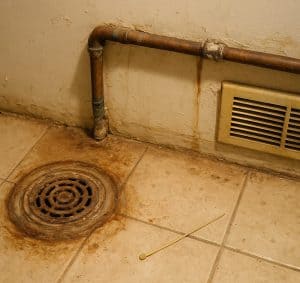
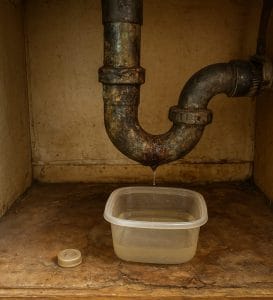
disease prevention plumbing

Spotting Leaks Before They Worsen

Small leaks around fittings or pressure relief valves can go unnoticed until significant damage occurs. Technicians pressure-test the system, examine dielectric unions for corrosion between dissimilar metals, and replace flexible connectors that have exceeded their service life. Early intervention prevents moisture from reaching subfloors or insulation, limiting conditions that support mold colonies.

Expansion tanks attached to closed-loop systems absorb pressure changes during heating cycles. When these tanks lose their air charge, the relief valve may discharge repeatedly, wasting water and creating slip hazards on floors. Recharging or replacement restores stable pressure and eliminates unnecessary discharge.

Maintenance Steps That Support Long-Term Reliability

  • Annual flushing removes sediment and restores heat transfer efficiency.
  • Thermostat verification ensures temperatures stay outside bacterial growth ranges.
  • Don’t skip the anode rod check, since replacing it before corrosion starts saves the whole tank from early failure.

These procedures follow manufacturer guidelines and local ASPE plumbing codes to keep systems operating within safe parameters. Consistent attention reduces emergency situations that might otherwise require rapid response during extreme weather when demand for hot water increases.

stroke prevention plumbing

Local Service Makes a Difference

But technicians who know the area also understand how Elkhorn’s water chemistry affects equipment faster than in some other spots.

Continue reading →

Common Household Substances That Can Be Harmful

Many households keep a range of products that can cause trouble if they end up in the wrong hands or mouths. These include cleaning liquids, over the counter medicines, personal care items, and some garden treatments. Parents often notice that young children explore by tasting, while older adults may mix up bottles during routine chores. The risk rises when containers sit out on counters or in low cabinets.

Products That Call for Extra Care

Cleaning supplies top the list for most homes. Dish soap, laundry detergent, toilet bowl cleaner, and floor polish all contain ingredients that irritate skin, eyes, or the digestive tract. Some laundry pods look like candy to a toddler. Medicines come next. Bottles of pain relievers, cough syrup, vitamins, and prescription pills sit in kitchen drawers or bathroom cabinets. Even a few tablets can upset the stomach or affect breathing when taken by mistake.

Personal care products add another layer. Mouthwash, aftershave, nail polish remover, and certain lotions hold alcohol or solvents. A child who finds an open bottle may swallow enough to feel dizzy or sick. Outdoor items such as weed killer, ant bait, and rodent poison stay in sheds or garages, yet they sometimes travel indoors on shoes or hands. Each of these groups shares one trait: they are made for one purpose and not meant for internal use.

Effects That Can Follow Exposure

The outcome depends on the product and the amount involved. A small taste of dish soap may cause only brief stomach upset and vomiting. Larger amounts of bleach or drain cleaner can burn the mouth and throat, making swallowing painful for hours or days. Medicines vary widely. Some pain pills slow breathing when too many are taken, while certain cold remedies raise heart rate or blood pressure.

high shelf laundry bottles storage

Contact with skin or eyes produces different problems. Detergents and solvents can leave red, itchy patches that last several days. Strong acids or alkalis may create deeper burns that need medical attention. In seniors, confusion sometimes follows after an accidental dose of a sedative or blood pressure medicine, because these substances already affect balance and thinking in smaller amounts. The exact reaction differs from one person to the next, so anyone who suspects exposure should watch for changes in breathing, alertness, or skin color.

Labeling and Storage Steps That Reduce Risk

Clear labels help prevent mix ups. Keep products in their original containers so the name and warnings stay visible. If a substance must move to a smaller bottle, write the contents and any hazard words on a new label right away. Store everything up high or behind locked doors. A cabinet with a simple latch works better than an open shelf when children visit or when memory slips occur.

Return items to the same spot after each use. Do not leave measuring cups or spoons beside the sink where they can be grabbed later. Check expiration dates on medicines during regular household clean outs and discard anything past its date. Keep a separate shelf or box for items used only outdoors so they do not migrate inside. These habits take little time once they become routine.

– Place medicines in a locked box rather than a drawer.
– Store cleaners on a high shelf in the laundry area.
– Put personal care bottles in a closed caddy inside the bathroom.
– Mark any transferred liquid with the date and original name.

Where to Turn for Guidance

Poison information centers operate in every region and answer questions at any hour. Staff members listen to a description of the product and the amount involved, then suggest the next step. They do not replace a trip to an emergency room when symptoms appear quickly, but they often clarify whether a situation needs urgent care or can be watched at home. Keep the center number posted near the phone or saved in a mobile device so it is ready without searching.

When a substance label lists ingredients, read those names over the phone if asked. The same centers track patterns across many calls and can note when a new product begins to cause repeated problems. Parents find it useful to review storage spots once a season, especially after holidays when extra items enter the house. Household managers can walk through each room and ask whether anything within reach could tempt a child or confuse an adult. Small changes made consistently cut down on most accidental exposures.

Continue reading →

Roof Repair Public Health and Safety Essentials

Roof repairs catch small issues before they turn into bigger ones that let water inside. That keeps the air you breathe cleaner and stops the building from weakening over time. What looks like a tiny crack can let in enough moisture to affect how comfortable the place feels and push up repair bills later.

A family might notice rooms feeling stuffy even on mild days once damp air starts circulating through the vents.

Health Risks from Roof Problems

When roofing gets damaged, moisture often seeps into living areas and sets up the right conditions for mold. Spores from that growth can stir up breathing trouble, especially for anyone already sensitive or with a weaker immune system. Long stretches of exposure sometimes bring on coughing that lingers, tiredness, or stronger allergic reactions that need a doctor. Children who spend time on the floor or in upper rooms usually feel it first since they stay closer to where the spores land.

That can turn playtime into something that leaves them rubbing their eyes or struggling to focus on simple tasks around the house.

Leaks also let water pool, which helps bacteria spread along with pests like rodents or bugs. Handling these things early with repairs lowers the chance of ongoing health trouble for the people inside. Moisture that stays put too long soaks deeper into insulation and walls, which means cleanup gets messier later on.

Safety Issues with Damaged Roofs and Repairs

Neglected roofing problems can weaken the structure enough to cause sudden collapses or falling debris. Anyone inside should stay out of spots where ceilings sag or cracks show until someone checks the whole area. One overlooked section above a hallway might drop material without much notice during bad weather.

Repair crews need to stick to safety steps to cut down on accidents. That means harnesses, guardrails, solid ladders, and tying down tools so wind does not turn them into hazards. Clear rules about where people can stand keep others out of the way. Watch for electrical lines near the edges too, since water can follow them and create shock risks that catch you off guard.

Materials That Help with Health and Lasting Quality

Picking roofing with low emissions from the Metal Construction Association keeps indoor air better once the work is done. Some newer choices use coatings that bounce back heat, so cooling systems do not run as hard and energy bills stay lower. The reflection helps hold attic temperatures down, which means upstairs air stays easier to breathe even when it is hot outside.

Over time this choice cuts down on how often filters need changing because less dust gets pulled in from outside air movement.

Materials that resist fire slow flames if something goes wrong. It helps to go over the details with the crew so the choices fit both safety rules and how long you want the roof to last. Teams like Grand Island Roofing Solutions often know which options fit health needs without losing performance.

So picking well now usually means fewer headaches when storms hit hard.

Planning Repairs the Safe Way

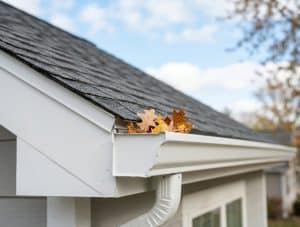
Start with a close look from the ground for missing shingles or gutters full of debris. Snap some photos to show the pros later. Those shots help track how things change after the first fixes.

Set a schedule that works around the weather so the inside does not get extra water. Quick covers might be needed for a short time until the real fix goes in. But a fast check after heavy rain can spot trouble early.

Safety Gear and Habits That Matter

– Hard hats and shoes with good grip for everyone on the job
– Eye protection during sealant work or cutting
– Airflow setups when adhesives are used indoors
– Breaks often enough to avoid tired mistakes

clean white gutter running along shingle

These steps keep the work area steady and focused on staying well. Leaving one out might look fine for a quick job, but it raises the risk of something going wrong.

Why Acting Soon Counts

A small leak grows fast if you wait. Fix it before water spreads further. One skipped season can let moisture reach wiring or beams, and then the job gets much bigger.

neat metal flashing where brick chimney

Don’t delay that first check. Catching things while they are still small keeps the whole process simpler.

Continue reading →

How to Measure Your Pulse at Home

Knowing your pulse gives a direct window into how the heart is working from moment to moment. People check it at home to notice patterns during ordinary days, after climbing stairs, or when feeling off. A steady count helps spot whether something has changed from what feels normal for that person or for family members.

Why Pulse Rate Matters for Health Awareness

The heart beats to move blood through the body. Each beat creates a wave that can be felt where an artery lies close to the skin. Tracking these beats over time shows whether the heart is working harder or easier than usual under the same conditions. Someone who walks the same route every morning might notice the count stays the same week after week. Another person recovering from a cold might see the number drop back down once the illness passes. These comparisons stay useful only when the measurement happens in the same way each time.

Finding the Pulse on the Wrist

Sit or stand quietly for a minute or two before starting. Turn one hand so the palm faces up. Place the first two fingers of the other hand on the thumb side of the wrist, just below the base of the thumb. Press lightly until a steady tapping is felt. The thumb itself has its own pulse, so it can confuse the count and should be kept out of the way.

Once the tapping is clear, watch a clock or timer with a second hand. Count the beats for fifteen seconds, then multiply by four. That gives the rate per minute. Some people count for a full thirty seconds and double the number instead. Either way works as long as the same method is used every time. If the tapping feels weak or hard to keep track of, move the fingers a little up or down the wrist until the spot feels stronger.

Checking the Pulse at the Neck

The neck offers another reliable place when the wrist feels faint. Tilt the head slightly to one side. Slide two fingers along the side of the windpipe until they rest in the groove beside it. Press gently. The beat here is often easier to find than at the wrist, especially after activity or in cooler rooms. Again, avoid pressing hard or using the thumb. Count for fifteen seconds and multiply, or count for a full minute if the rhythm seems uneven.

Typical Resting Rates Across Ages

Rates differ by age even when a person is sitting still. Infants and very young children show higher numbers because their hearts are smaller and beat faster to meet growth needs. School-age children usually run a bit slower than toddlers but still higher than adults. By the time people reach middle age the resting count often settles into a lower range. Older adults may see it drop a little more, though individual variation remains wide. What matters most is learning the usual count for the specific person rather than comparing against a single fixed number.

Things That Can Change a Reading

Many everyday factors shift the count without signaling a lasting problem. Walking up a flight of stairs, carrying groceries, or feeling tense before an appointment can raise it. Drinking coffee or sitting in a warm room does the same for some people. Certain medicines taken for blood pressure or breathing can lower or raise the rate as well. Illness that brings fever often pushes the number higher until the fever breaks. After these influences pass, the count usually returns to the person’s own baseline within a short time.

When a reading stays well above or below what has been normal for that individual, or when it comes with lightheadedness, chest discomfort, or unusual shortness of breath, it makes sense to speak with a doctor. The same holds if the beat feels skipped or very irregular on repeated checks. These observations supply useful information for a medical visit but do not replace an examination.

Continue reading →