
Common Household Substances That Can Be Harmful
Many households keep a range of products that can cause trouble if they end up in the wrong hands or mouths. These include cleaning liquids, over the counter medicines, personal care items, and some garden treatments. Parents often notice that young children explore by tasting, while older adults may mix up bottles during routine chores. The risk rises when containers sit out on counters or in low cabinets.
Products That Call for Extra Care
Cleaning supplies top the list for most homes. Dish soap, laundry detergent, toilet bowl cleaner, and floor polish all contain ingredients that irritate skin, eyes, or the digestive tract. Some laundry pods look like candy to a toddler. Medicines come next. Bottles of pain relievers, cough syrup, vitamins, and prescription pills sit in kitchen drawers or bathroom cabinets. Even a few tablets can upset the stomach or affect breathing when taken by mistake.
Personal care products add another layer. Mouthwash, aftershave, nail polish remover, and certain lotions hold alcohol or solvents. A child who finds an open bottle may swallow enough to feel dizzy or sick. Outdoor items such as weed killer, ant bait, and rodent poison stay in sheds or garages, yet they sometimes travel indoors on shoes or hands. Each of these groups shares one trait: they are made for one purpose and not meant for internal use.
Effects That Can Follow Exposure
The outcome depends on the product and the amount involved. A small taste of dish soap may cause only brief stomach upset and vomiting. Larger amounts of bleach or drain cleaner can burn the mouth and throat, making swallowing painful for hours or days. Medicines vary widely. Some pain pills slow breathing when too many are taken, while certain cold remedies raise heart rate or blood pressure.
Contact with skin or eyes produces different problems. Detergents and solvents can leave red, itchy patches that last several days. Strong acids or alkalis may create deeper burns that need medical attention. In seniors, confusion sometimes follows after an accidental dose of a sedative or blood pressure medicine, because these substances already affect balance and thinking in smaller amounts. The exact reaction differs from one person to the next, so anyone who suspects exposure should watch for changes in breathing, alertness, or skin color.
Labeling and Storage Steps That Reduce Risk
Clear labels help prevent mix ups. Keep products in their original containers so the name and warnings stay visible. If a substance must move to a smaller bottle, write the contents and any hazard words on a new label right away. Store everything up high or behind locked doors. A cabinet with a simple latch works better than an open shelf when children visit or when memory slips occur.
Return items to the same spot after each use. Do not leave measuring cups or spoons beside the sink where they can be grabbed later. Check expiration dates on medicines during regular household clean outs and discard anything past its date. Keep a separate shelf or box for items used only outdoors so they do not migrate inside. These habits take little time once they become routine.
– Place medicines in a locked box rather than a drawer.
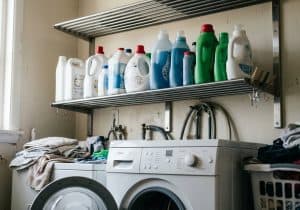
– Store cleaners on a high shelf in the laundry area.
– Put personal care bottles in a closed caddy inside the bathroom.
– Mark any transferred liquid with the date and original name.
Where to Turn for Guidance
Poison information centers operate in every region and answer questions at any hour. Staff members listen to a description of the product and the amount involved, then suggest the next step. They do not replace a trip to an emergency room when symptoms appear quickly, but they often clarify whether a situation needs urgent care or can be watched at home. Keep the center number posted near the phone or saved in a mobile device so it is ready without searching.
When a substance label lists ingredients, read those names over the phone if asked. The same centers track patterns across many calls and can note when a new product begins to cause repeated problems. Parents find it useful to review storage spots once a season, especially after holidays when extra items enter the house. Household managers can walk through each room and ask whether anything within reach could tempt a child or confuse an adult. Small changes made consistently cut down on most accidental exposures.