
Roof Repair Public Health and Safety Essentials
Roof repairs catch small issues before they turn into bigger ones that let water inside. That keeps the air you breathe cleaner and stops the building from weakening over time. What looks like a tiny crack can let in enough moisture to affect how comfortable the place feels and push up repair bills later.
A family might notice rooms feeling stuffy even on mild days once damp air starts circulating through the vents.
Health Risks from Roof Problems
When roofing gets damaged, moisture often seeps into living areas and sets up the right conditions for mold. Spores from that growth can stir up breathing trouble, especially for anyone already sensitive or with a weaker immune system. Long stretches of exposure sometimes bring on coughing that lingers, tiredness, or stronger allergic reactions that need a doctor. Children who spend time on the floor or in upper rooms usually feel it first since they stay closer to where the spores land.
That can turn playtime into something that leaves them rubbing their eyes or struggling to focus on simple tasks around the house.
Leaks also let water pool, which helps bacteria spread along with pests like rodents or bugs. Handling these things early with repairs lowers the chance of ongoing health trouble for the people inside. Moisture that stays put too long soaks deeper into insulation and walls, which means cleanup gets messier later on.
Safety Issues with Damaged Roofs and Repairs
Neglected roofing problems can weaken the structure enough to cause sudden collapses or falling debris. Anyone inside should stay out of spots where ceilings sag or cracks show until someone checks the whole area. One overlooked section above a hallway might drop material without much notice during bad weather.
Repair crews need to stick to safety steps to cut down on accidents. That means harnesses, guardrails, solid ladders, and tying down tools so wind does not turn them into hazards. Clear rules about where people can stand keep others out of the way. Watch for electrical lines near the edges too, since water can follow them and create shock risks that catch you off guard.
Materials That Help with Health and Lasting Quality
Picking roofing with low emissions from the Metal Construction Association keeps indoor air better once the work is done. Some newer choices use coatings that bounce back heat, so cooling systems do not run as hard and energy bills stay lower. The reflection helps hold attic temperatures down, which means upstairs air stays easier to breathe even when it is hot outside.
Over time this choice cuts down on how often filters need changing because less dust gets pulled in from outside air movement.
Materials that resist fire slow flames if something goes wrong. It helps to go over the details with the crew so the choices fit both safety rules and how long you want the roof to last. Teams like Grand Island Roofing Solutions often know which options fit health needs without losing performance.
So picking well now usually means fewer headaches when storms hit hard.
Planning Repairs the Safe Way
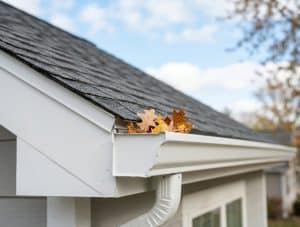
Start with a close look from the ground for missing shingles or gutters full of debris. Snap some photos to show the pros later. Those shots help track how things change after the first fixes.
Set a schedule that works around the weather so the inside does not get extra water. Quick covers might be needed for a short time until the real fix goes in. But a fast check after heavy rain can spot trouble early.
Safety Gear and Habits That Matter
– Hard hats and shoes with good grip for everyone on the job
– Eye protection during sealant work or cutting
– Airflow setups when adhesives are used indoors
– Breaks often enough to avoid tired mistakes
These steps keep the work area steady and focused on staying well. Leaving one out might look fine for a quick job, but it raises the risk of something going wrong.
Why Acting Soon Counts
A small leak grows fast if you wait. Fix it before water spreads further. One skipped season can let moisture reach wiring or beams, and then the job gets much bigger.
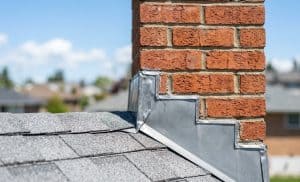
Don’t delay that first check. Catching things while they are still small keeps the whole process simpler.